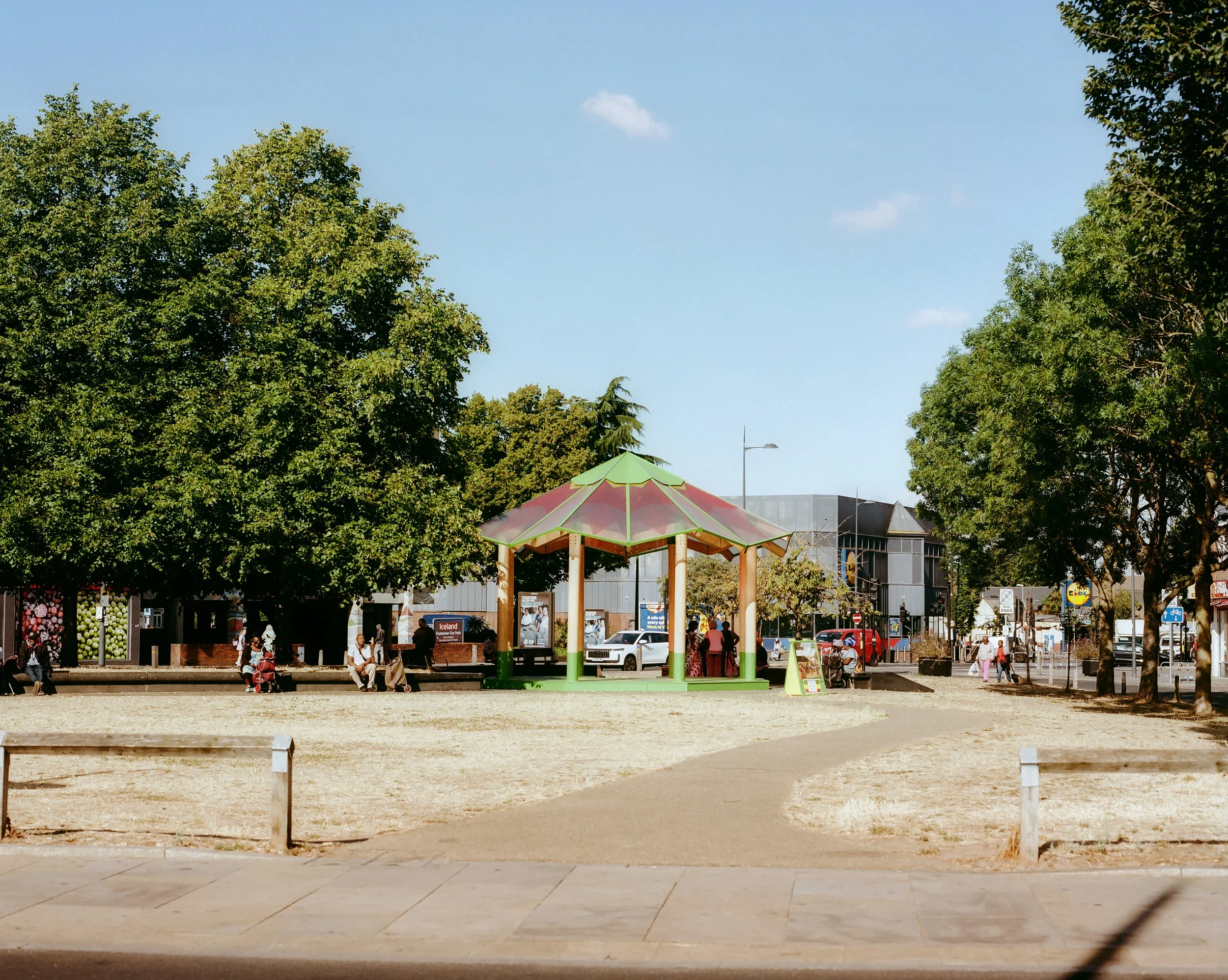
I grew up in Mitcham. This work is my return to it.
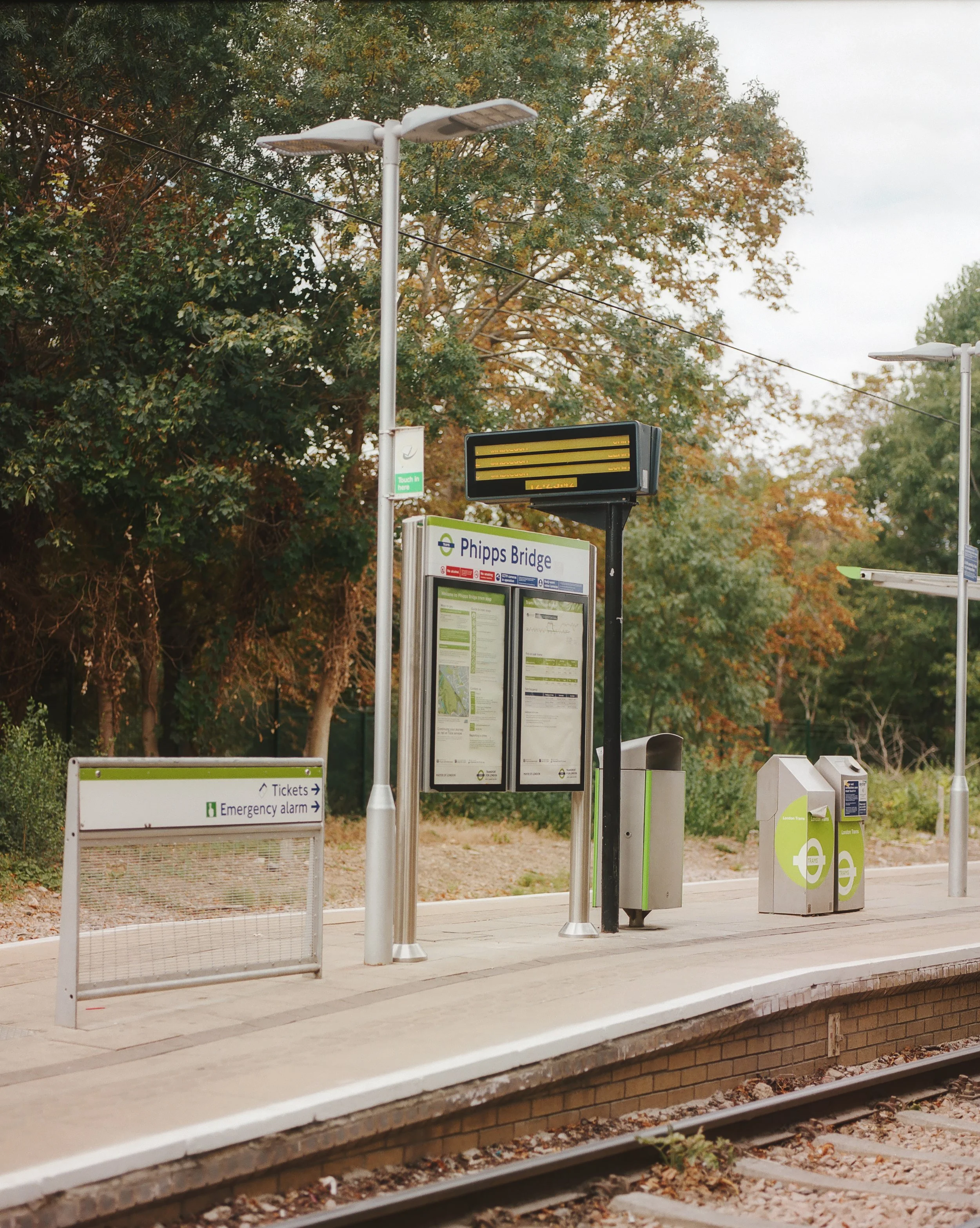
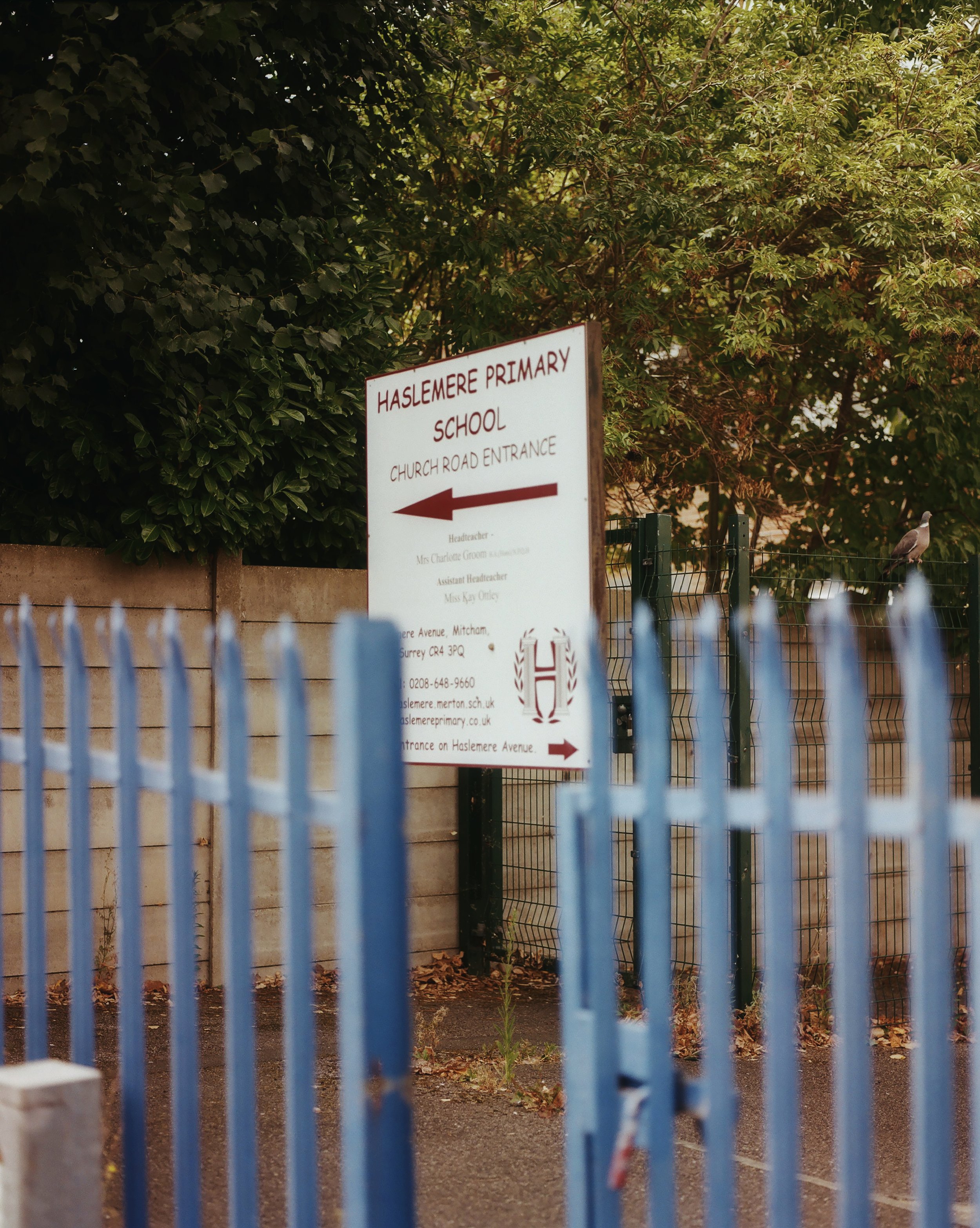
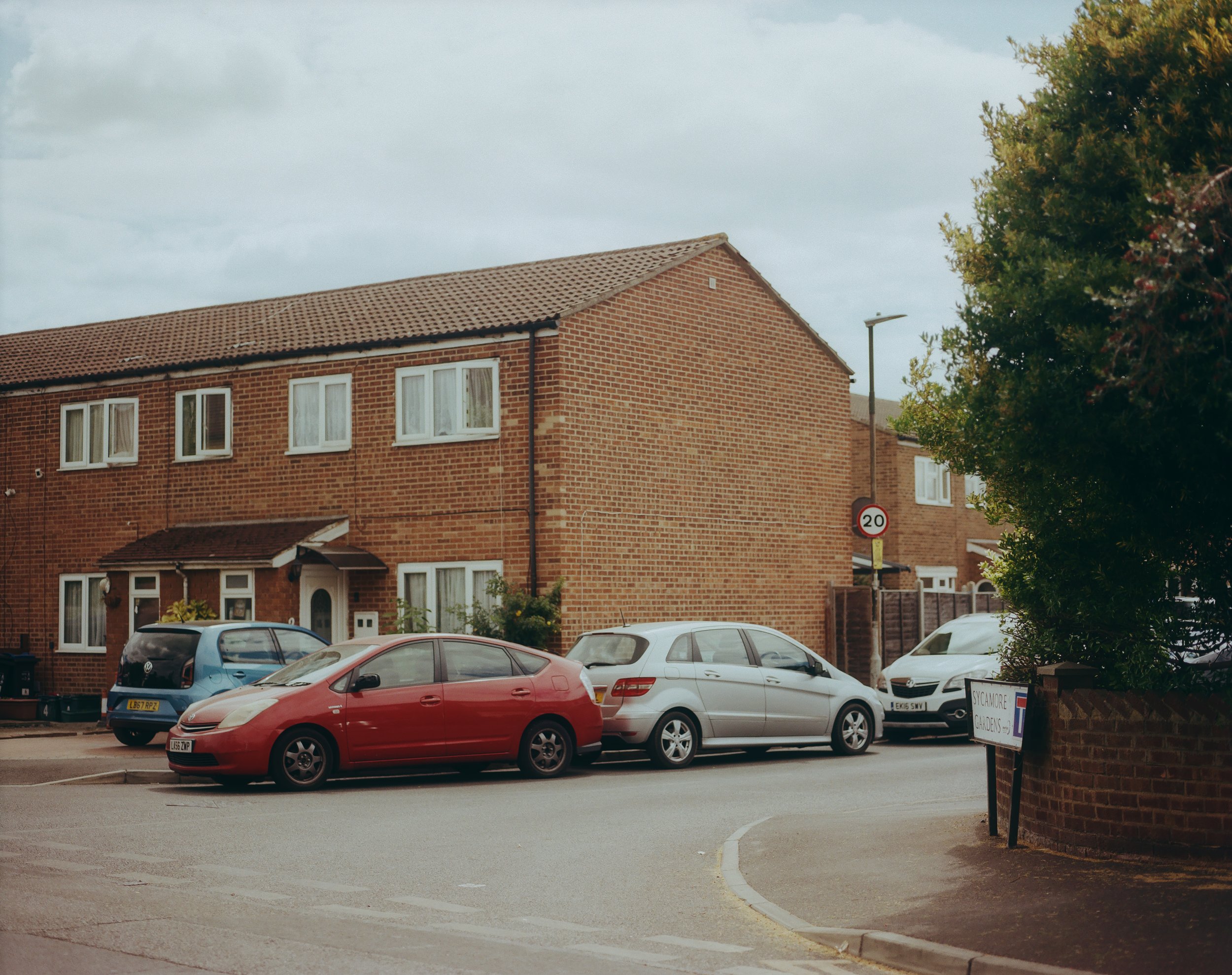
I lived on Sycamore Gardens, went to school in Haslemere and then Bishopsford. I played out around Phipps Bridge, and knew the bossman's kindness at the Wheatsheaf. I ran hard for the tram, then bundled onto the back of the 280 with my friends — sweating and grinning with the pure joy of just making it on. I spent hours outside the McDonald's in the town centre, doing nothing much, in the way you can only do somewhere that's yours.
These are not remarkable places. They are the ground I was made on, and for a long time I moved through them without looking.
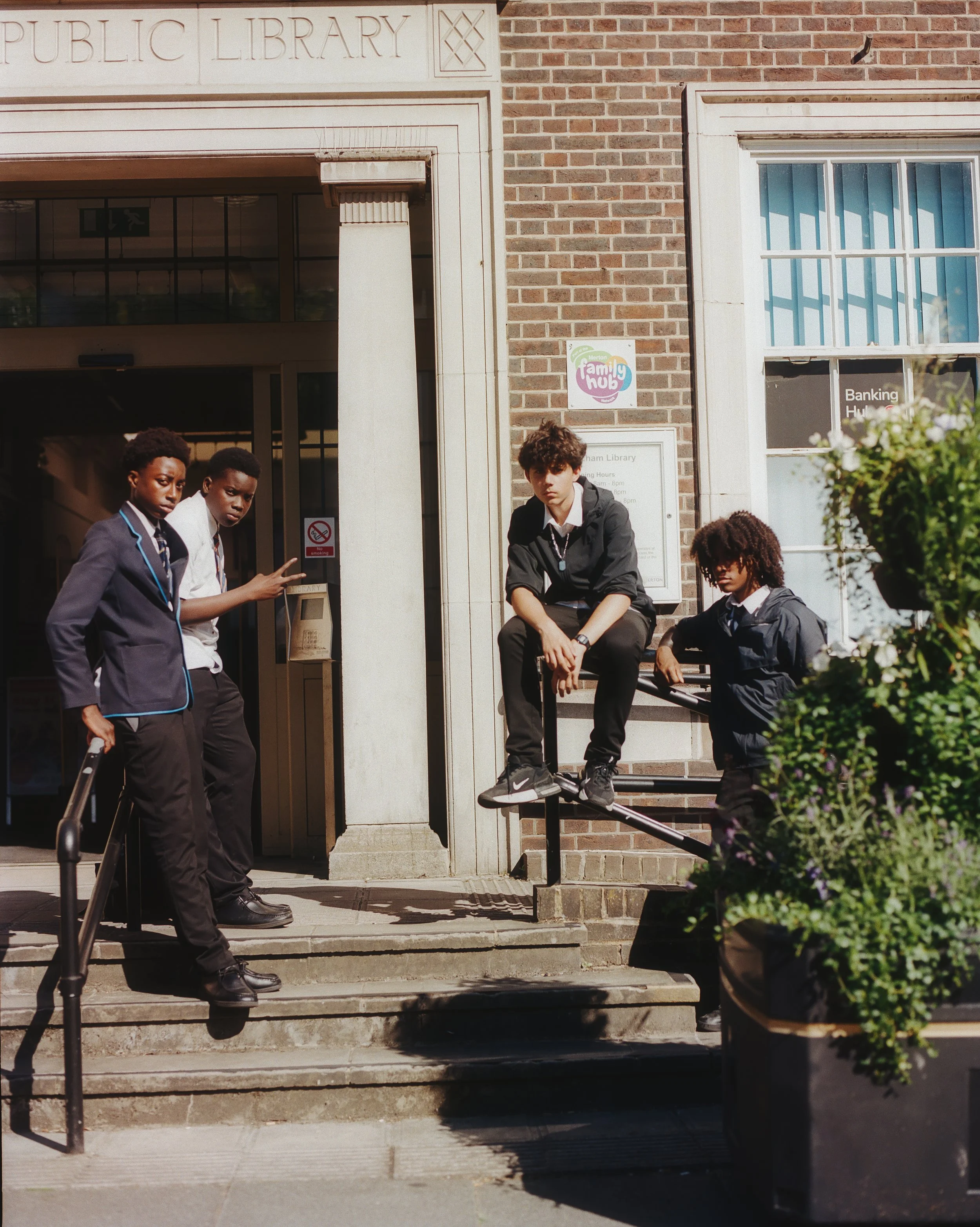
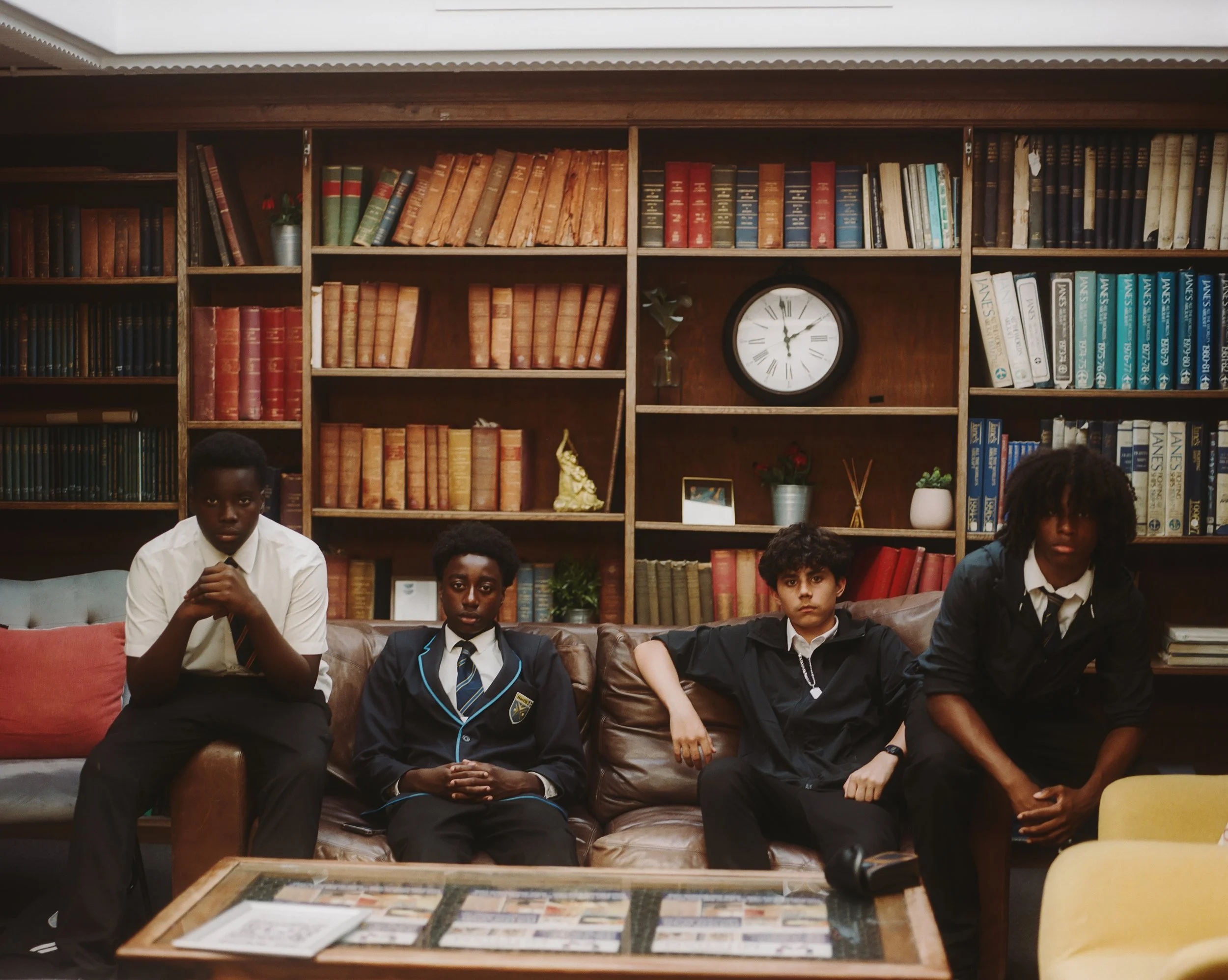
This work was made alongside Home Ground, a project I led with young people from Mitcham. Over eight weeks, a small group aged 13 to 19 were handed film cameras and dictaphones and asked to document their own community — the places, people, and stories that matter to them — building a visual and oral record of Mitcham as it is now. The idea underneath it is a simple one: that young people are heritage creators, not passive audiences, and that ordinary life here, today, is already heritage-in-the-making. My own work is shaped by the same question I put to them: what does it mean to document the place that made you?
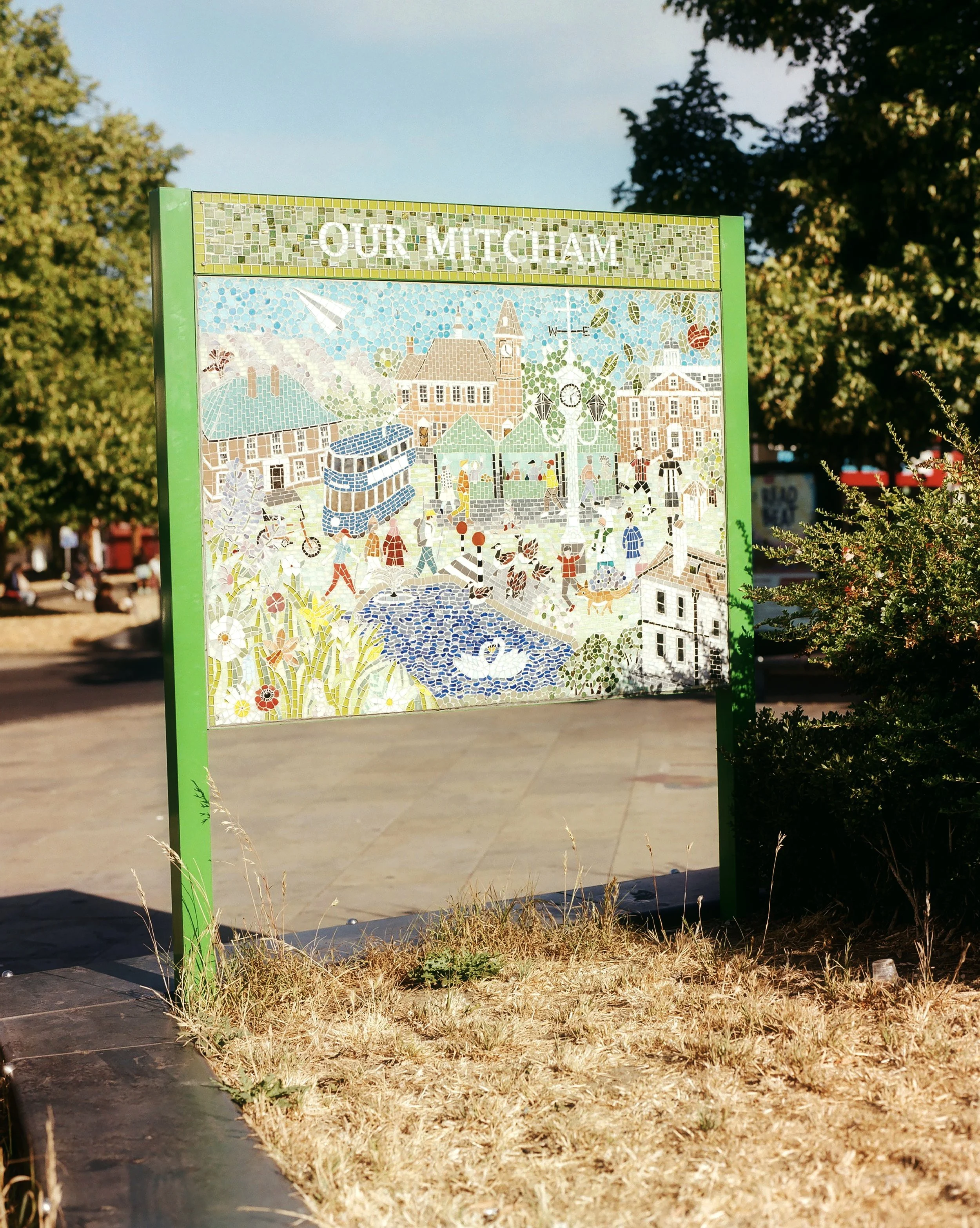
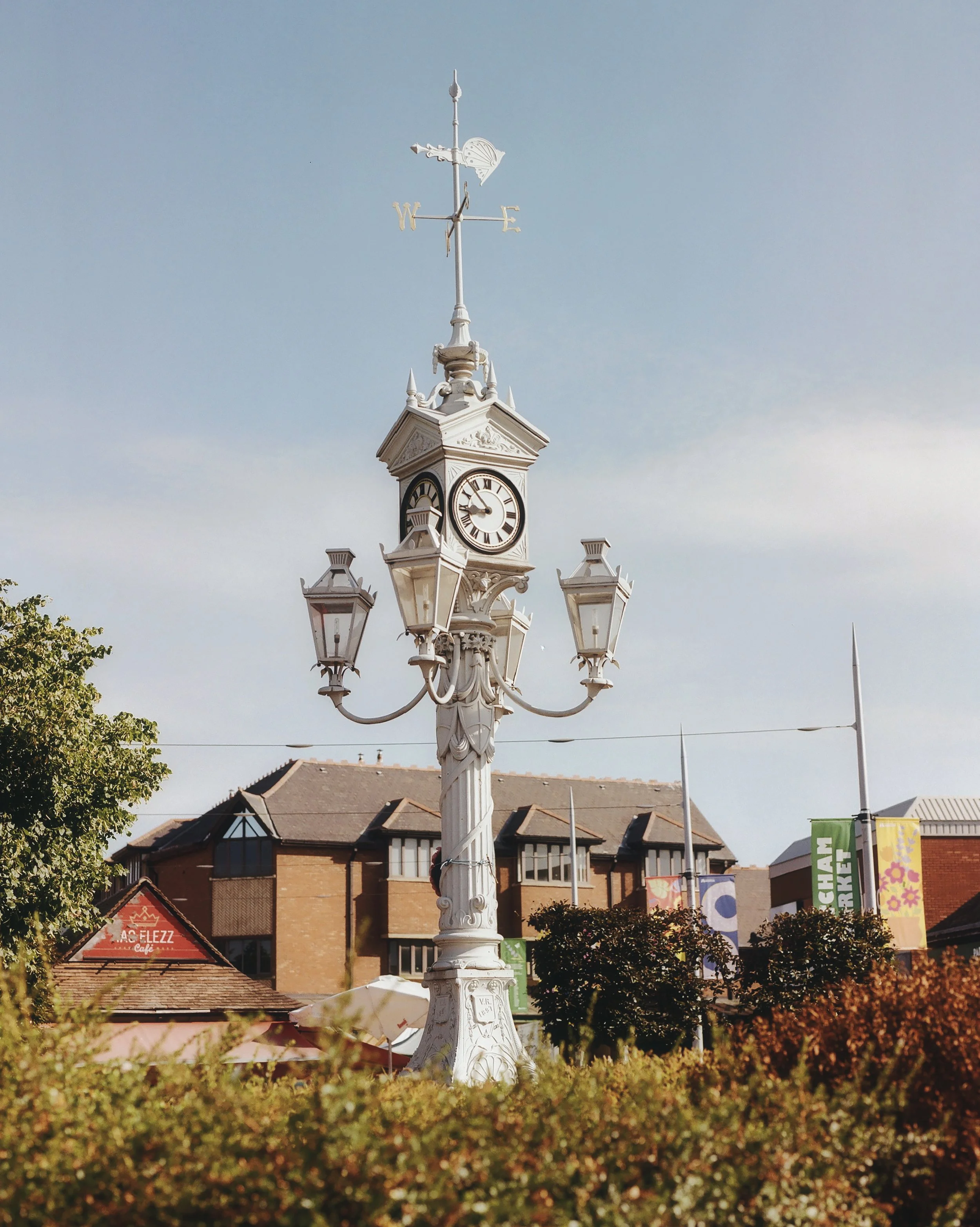
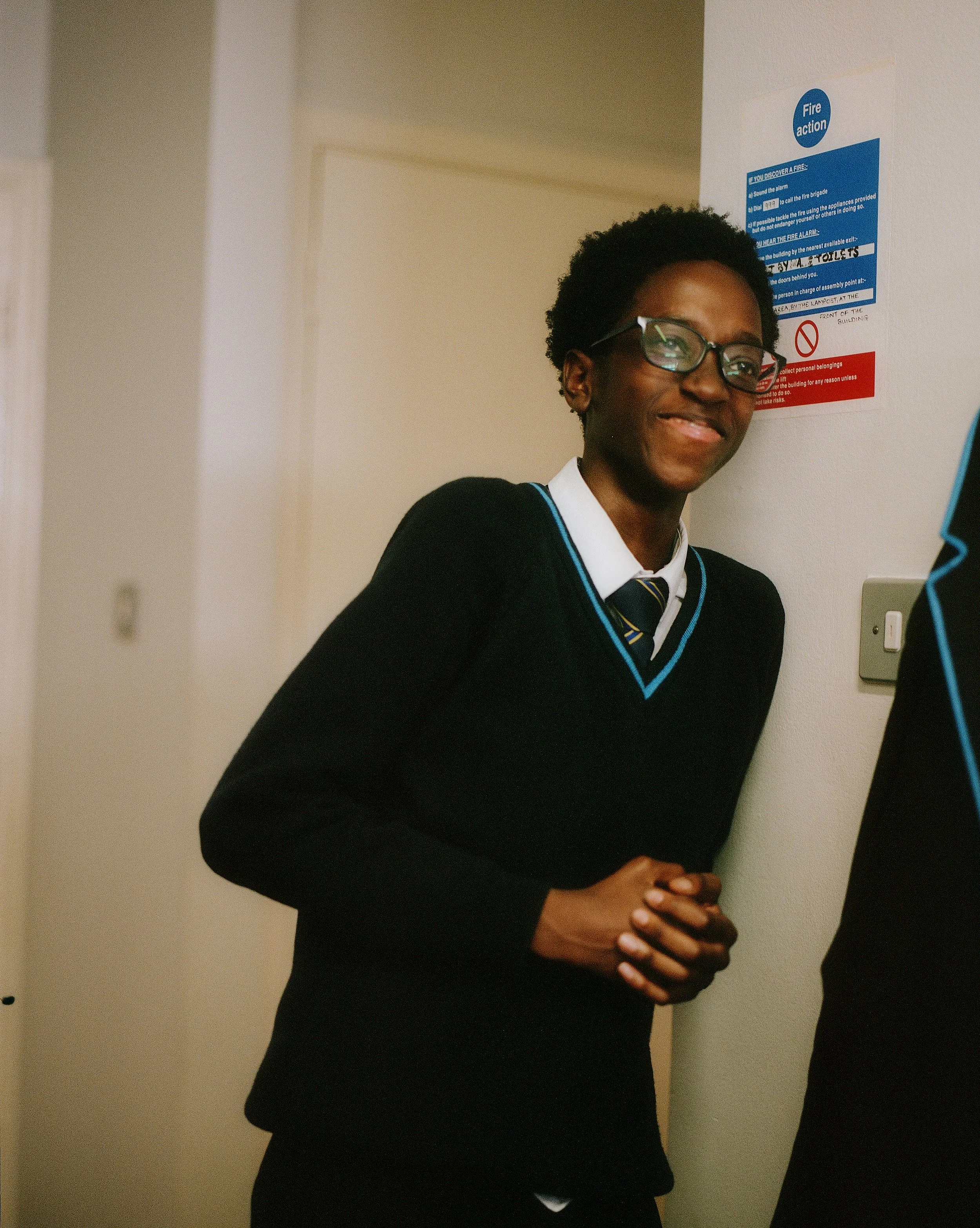
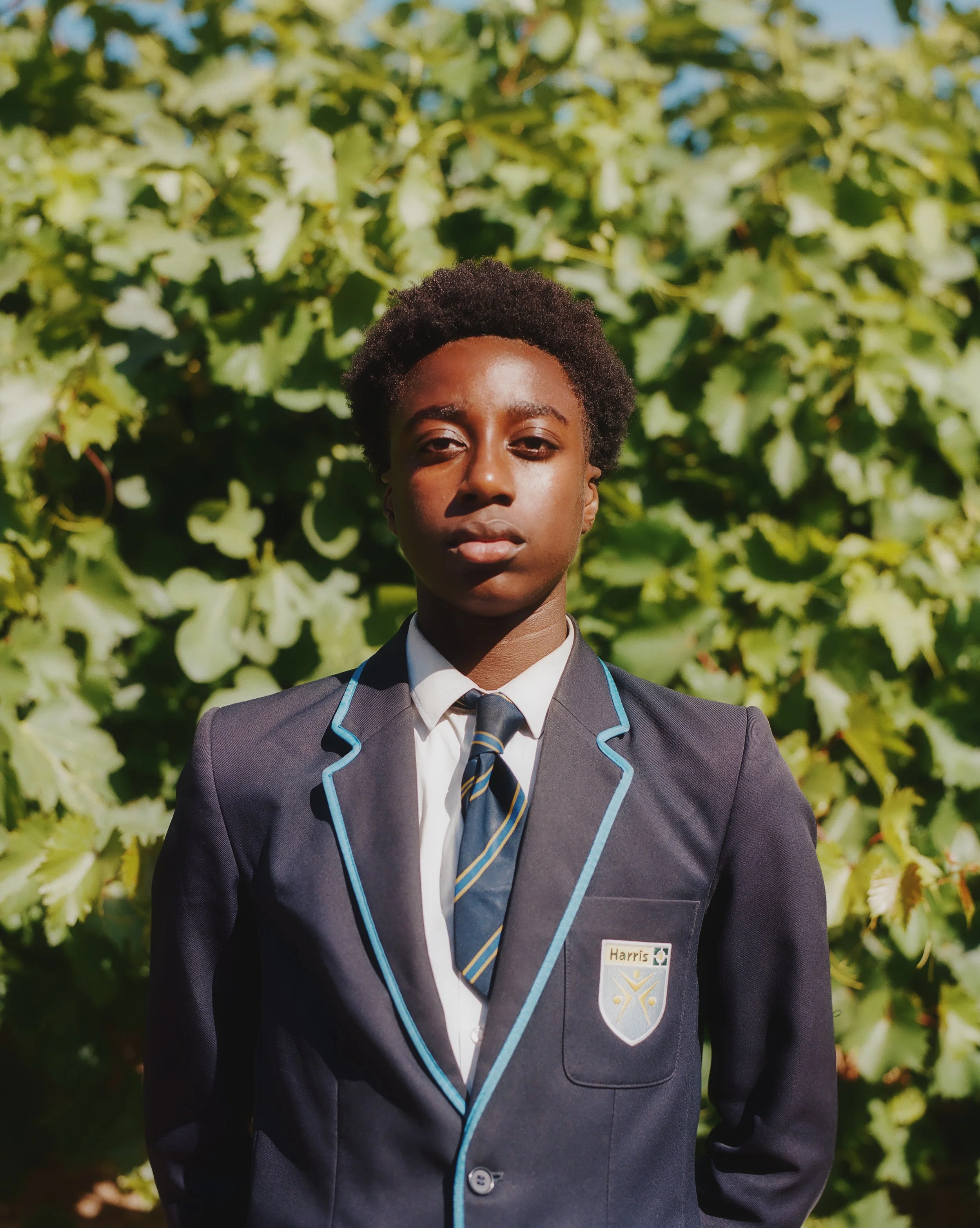
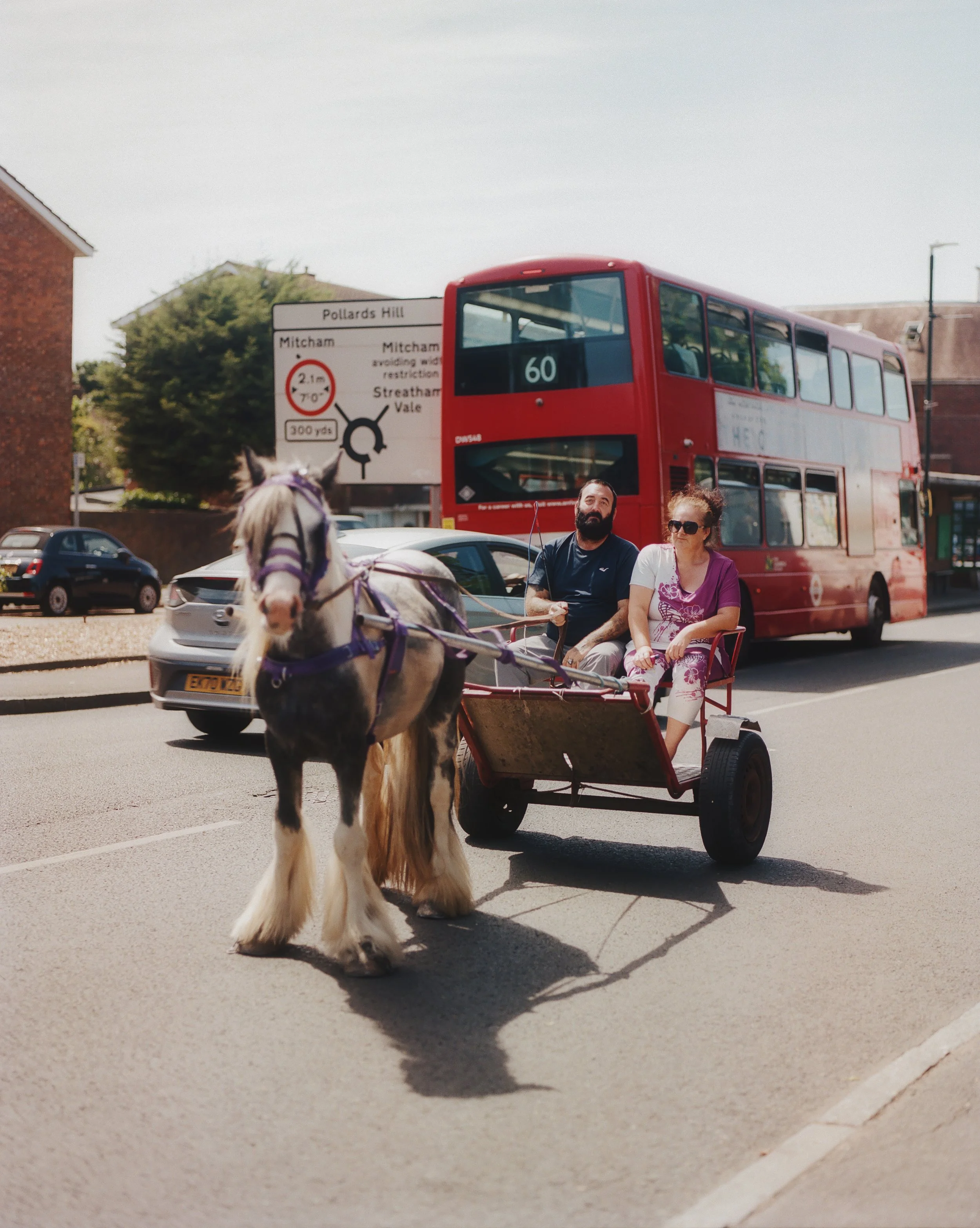
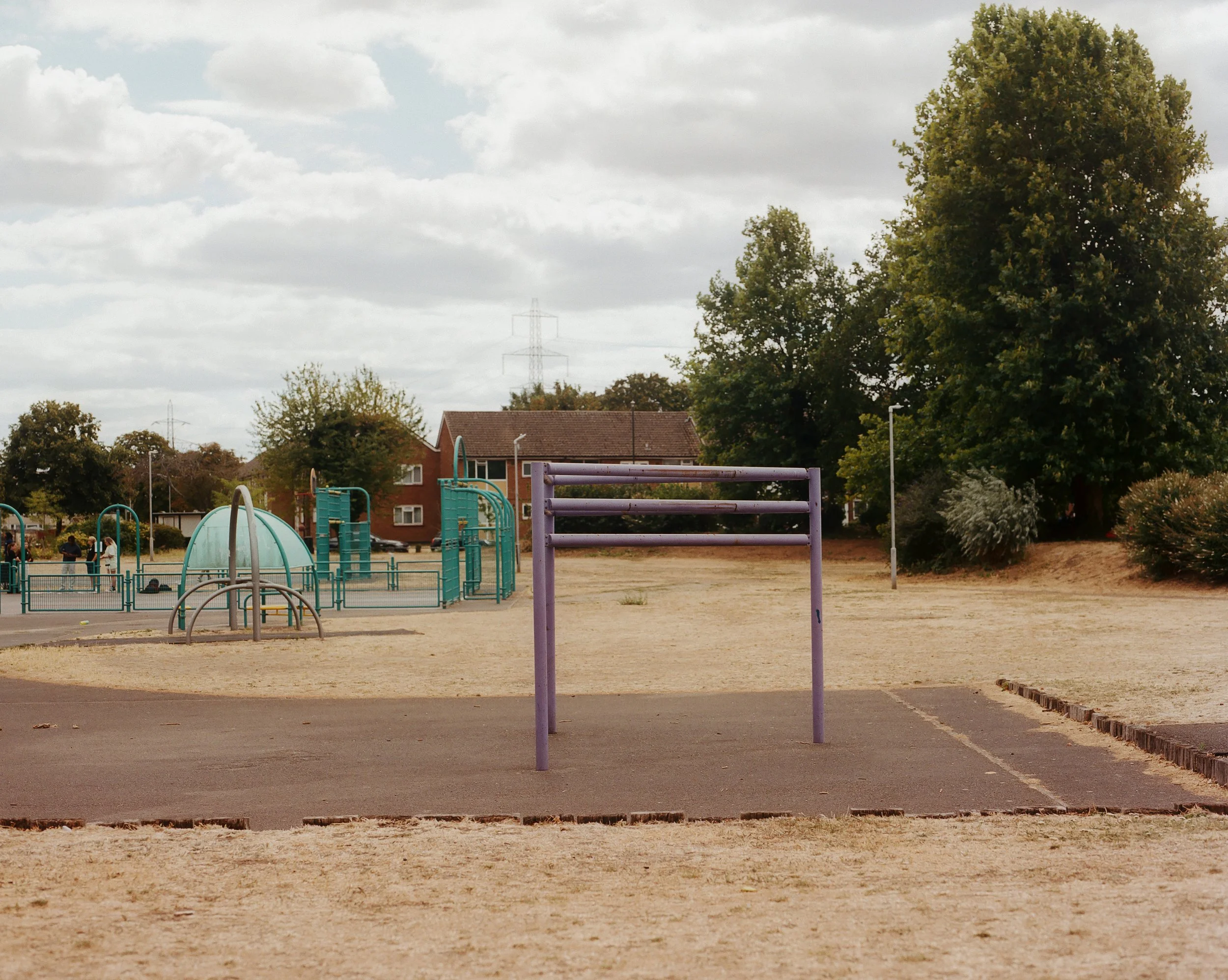
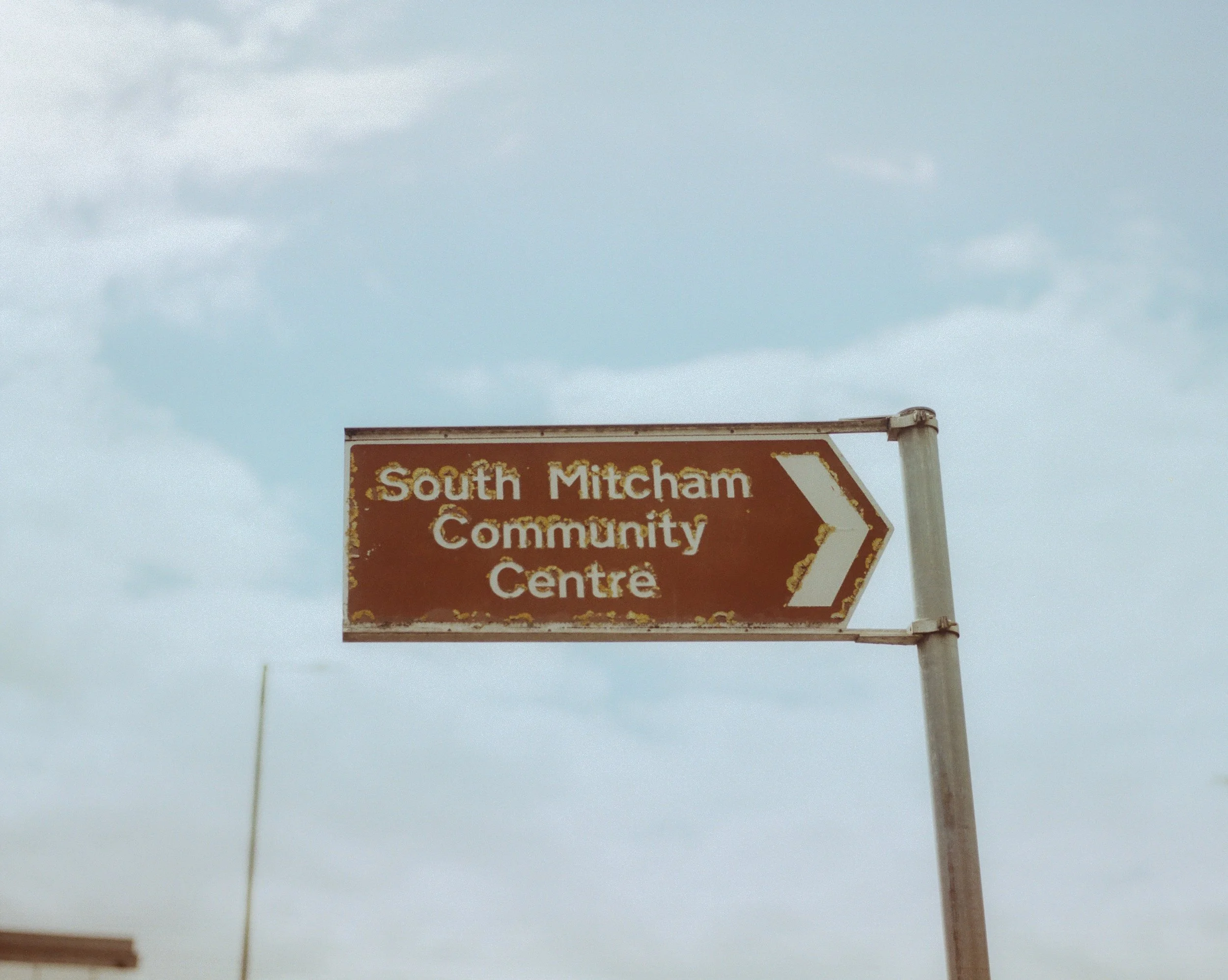
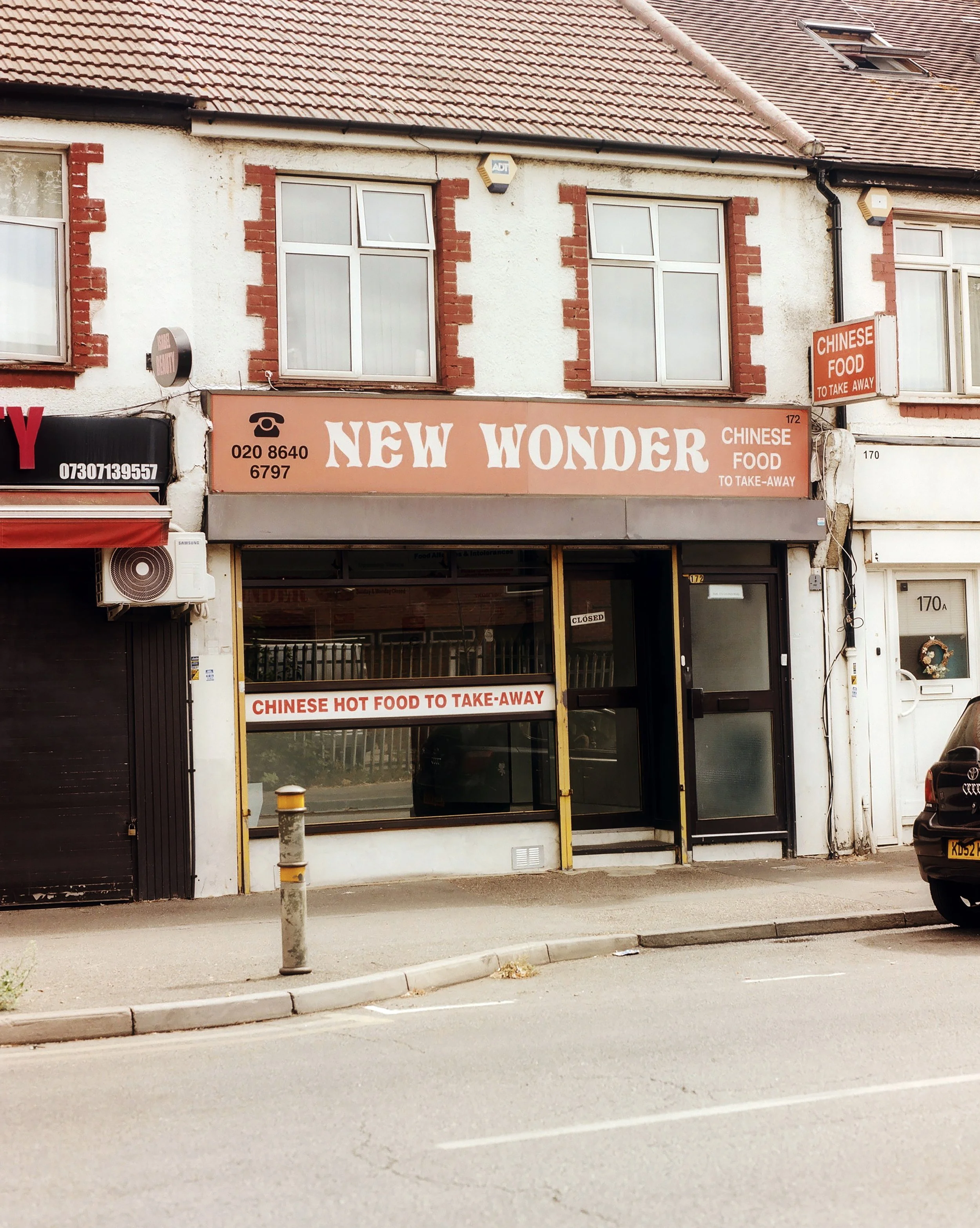
So I turned the camera on my own ground — the roads, the schools, Fair Green, which gives this work its name. I photographed them as they are now, not as I left them. The changes in the place read back as changes in me: streets I once ran through without thinking are now things I choose to stop and look at, and the distance between those two ways of seeing is most of what this work is about.
It is a return, but it is also a beginning — I come back to Mitcham with open eyes and steadier feet than the boy who ran for that bus. There is gratitude in it, that I get to make this at all. And there are friends who can no longer see Mitcham as it is now; these photographs are closer to record than to nostalgia.
Standing beside the young people's archive — the two bodies of work shown together across Mitcham Town Centre — the work holds a conversation across generations: the same streets, photographed at two different distances of time.



Acknowledgments
Home Ground would not have been possible without the generosity, trust, and openness of the young people of Mitcham and their families. My deepest gratitude goes to everyone who shared their images, their stories, and their time with me.
My greatest thanks are to the young people who took part — the true authors of this archive. You picked up a camera, documented the Mitcham you know, and trusted me with your perspective on your own community. Your creativity, candour, and commitment form the backbone of this work. Thank you, too, to your parents and carers, whose support made your participation possible.
I am enormously grateful to Merton Council's Culture & Heritage Grants programme for its belief in this work, and to Merton Council Youth Services for the partnership that made it happen on the ground. Particular appreciation goes to Tara Hobson, whose steady guidance and encouragement sustained the project from conception to completion, and to Majeed Mohammed, Michael, and the whole team at Pollards Hill Youth Centre for opening their doors, their space, and their trust.
I am indebted to the collaborators who shaped what the young people made: Andre Anderson, for a workshop on authorship and storytelling; Liz Gorman and Sue at Photo Fusion, for welcoming us into their gallery, studio, and darkroom; FRY Creative, for their care in helping us understand the project's impact; Mark Warren, for bringing the work into Mitcham Town Centre; and Omar, for his generosity to the young people throughout.